Broadening the Mauritian Tourism Story
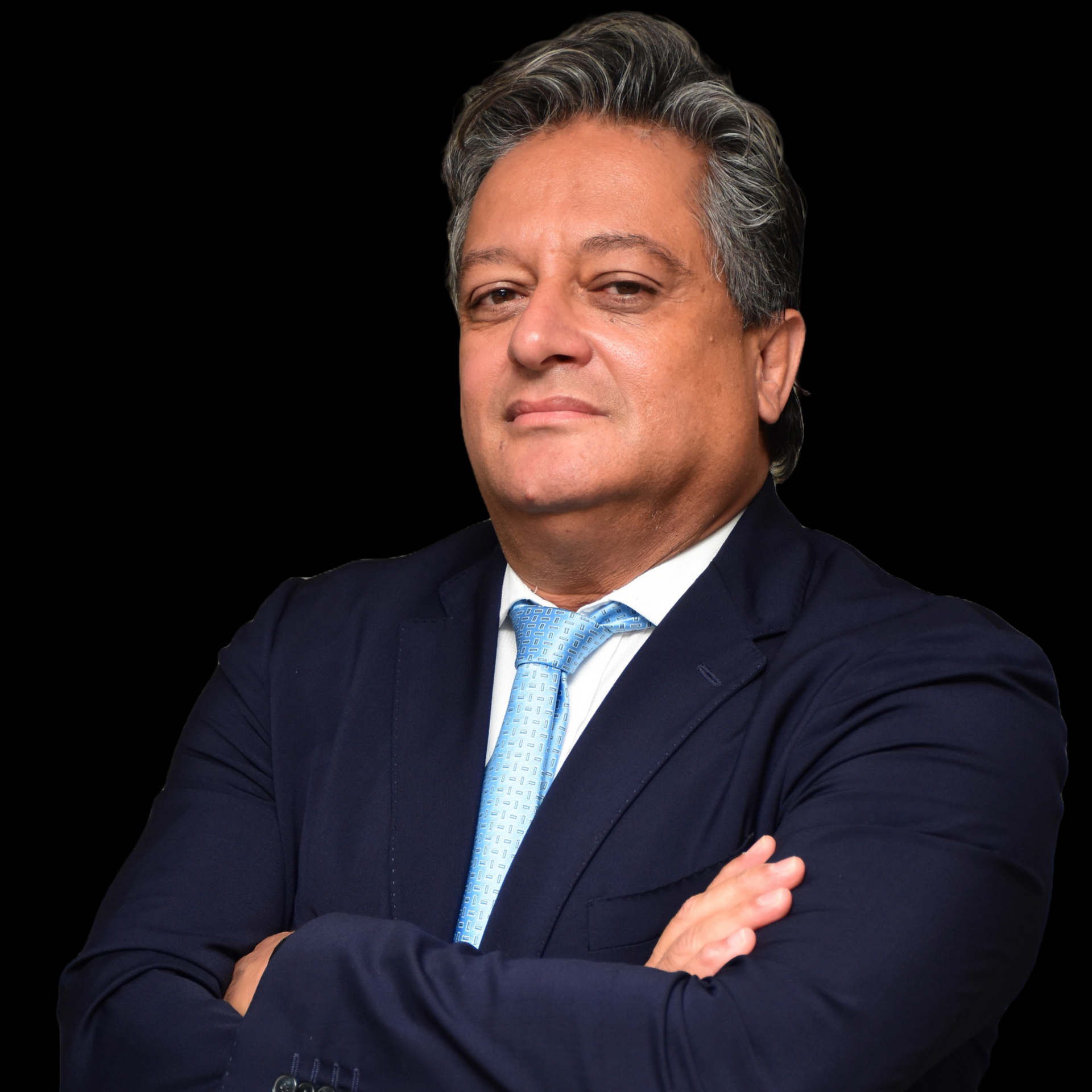
Hon. Richard Duval, Minister of Tourism, Mauritius
As Minister of Tourism, what are your key priorities for shaping Mauritius’ tourism strategy in the current global environment, and how are you positioning the country to remain competitive as a leading island destination?
Our priority is to keep Mauritius competitive by strengthening the destination, making it more relevant and more sustainable. Our beaches will always matter, but Mauritius has much more to offer. We are placing greater emphasis on cultural and historical assets such as Aapravasi Ghat and Le Morne Brabant, while also developing inland and eco-tourism experiences that encourage longer stays and reduce pressure on coastal areas.
We are also investing more in regions that have seen less tourism development, particularly in the centre and south of the island. By improving infrastructure and supporting community-based tourism, we can distribute the sector's benefits more equitably while protecting the environment.
Market diversification remains central. India is a key market, and we are refining our offering for different traveller profiles while also strengthening connectivity, sharpening our digital presence, and paying closer attention to regional markets such as South Africa and Réunion. Mauritius must keep evolving, offering not only beauty, but a richer visitor experience.
Looking back at tourism sector performance in 2025, what would you highlight as the most significant achievements in terms of visitor arrivals, revenue generation and market diversification, and what lessons have informed your strategy for 2026?
2025 was a strong year for Mauritian tourism. We welcomed more than 1.43 million visitors, with growth of around 3.9%, while gross tourism earnings rose to approximately Rs 103 billion. More importantly, this performance came despite some decline in traditional European markets such as France, the UK and Germany.
That shows diversification is beginning to deliver results. Markets, including India and Italy, performed well and helped offset those declines. The lesson for 2026 is clear: we must continue consolidating high-growth markets while also re-engaging key European source markets.
At the same time, geopolitical tensions and higher airfares make it even more important to strengthen regional markets less exposed to long-haul disruptions. 2025 also confirmed that sustainability and flexibility are now central to competitiveness. Protecting ecosystems, promoting inland tourism, investing in digital marketing and responding quickly to global change will remain essential.
Mauritius is increasingly moving beyond traditional sun-and-sea tourism. How is the government working to reposition the destination towards higher-value segments such as luxury, wellness, eco-tourism and cultural experiences?
Mauritius has begun that transition, but it is a long-term shift. For decades, tourism here was built primarily around the coast, so moving towards a broader, higher-value model requires planning and coordination.
Our first task is to build the right foundations. This includes restoring and promoting cultural and historical assets, strengthening the storytelling around sites of national significance and developing festivals, cuisine and community-based experiences that allow visitors to engage more deeply with the country. That supports higher-value tourism because visitors stay longer, spend more and experience Mauritius in a more authentic way.
We are also expanding eco-tourism and inland experiences, particularly in protected natural areas, in line with growing demand for more sustainable, low-impact travel. At the same time, we are adapting the regulatory framework to accommodate new types of tourism activities and ensure appropriate standards. Repositioning Mauritius is not simply about adding products. It is about redesigning the overall visitor experience and reshaping how the destination is perceived internationally.
What message would you share with tourism investors, hotel operators and international partners about the opportunities available in Mauritius and the government’s commitment to supporting the sector’s continued growth?
My message is simple: this is the right moment to take a serious look at Mauritius. The country is entering a new phase of tourism development, and there is room for investors and operators who are prepared to bring fresh ideas, innovation and long-term commitment.
The government is fully engaged in supporting that process. Through the Economic Development Board, investors have access to incentives, premium schemes and a one-stop-shop approach designed to reduce bureaucracy and move viable projects forward more quickly.
Beyond facilitation, we focus on building confidence. We are strengthening infrastructure, improving air connectivity, investing in skills and placing sustainability at the centre of the sector’s future. Mauritius is broadening its destination offerings, diversifying its markets, and building a more resilient tourism model. The opportunity today is not simply to participate in that evolution, but to help shape it.