
Mauritius’ Role in Global Trade and Investment
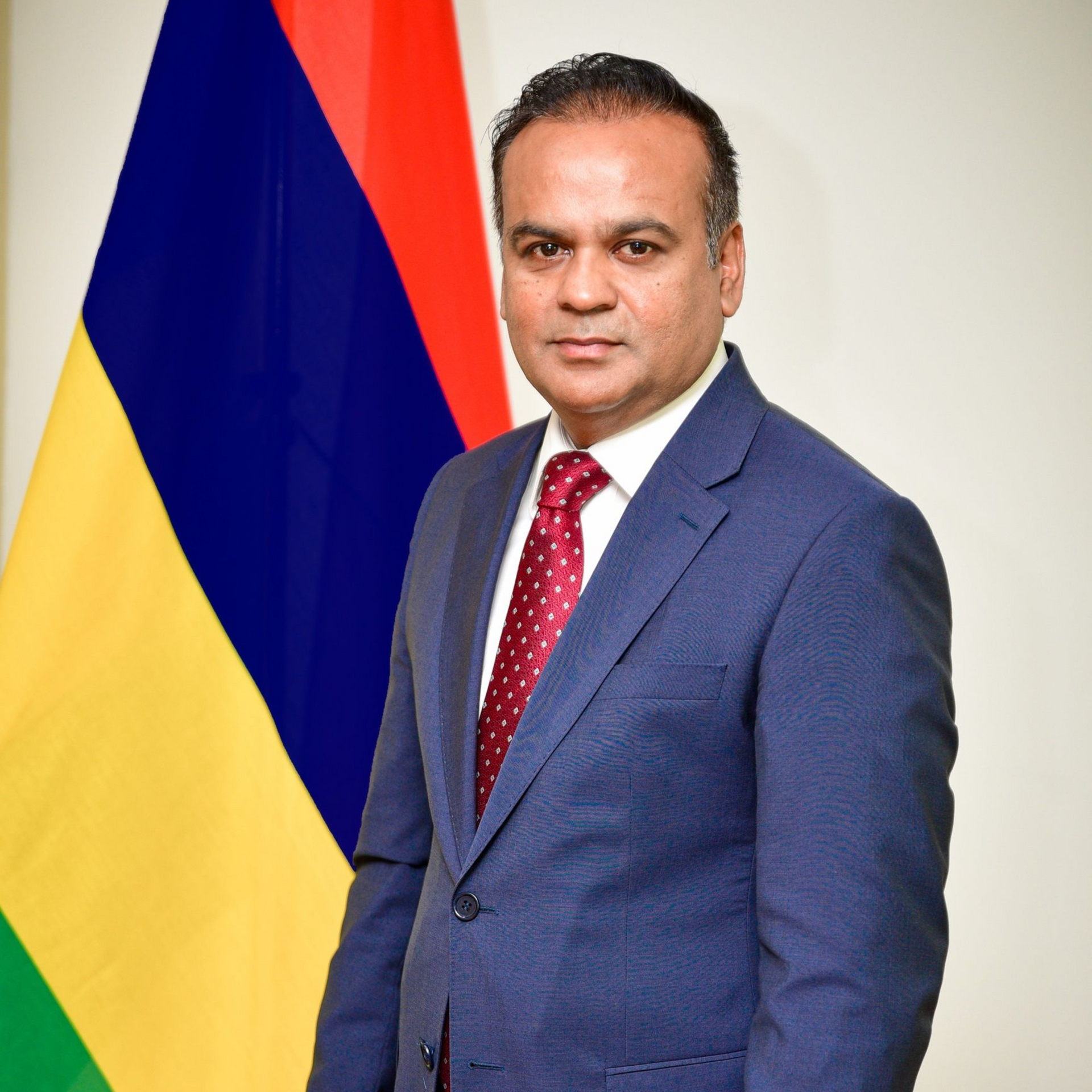
Dhananjay Ramful Minister of Foreign Affairs, Regional Integration and International Trade
Mauritius has positioned itself as a strategic partner in regional and global diplomacy. How is Mauritius leveraging these alliances to strengthen its economic and trade relationships with key global partners?
Mauritius, as a member of the African Union, enjoys direct access to a vast market of 1.3 billion consumers across the continent. The combined GDP of Africa stands at approximately 8.9 trillion USD, underscoring the immense investment potential the region offers.
The key challenge, however, is ensuring that this market is truly accessible. This is where Mauritius plays a crucial role—as a gateway to Africa. The country offers political stability, adheres to international regulations, and operates under a well-established constitution that guarantees fundamental rights. These factors create a secure and reliable environment for investors.
Moreover, Mauritius has been an active player in regional economic cooperation. It is a member of SADC, the Southern African Development Community, as well as COMESA. Additionally, the country is in the final stages of implementing the African Continental Free Trade Agreement (AfCFTA), which officially came into force in 2021.
For investors, this membership in regional trade blocs brings significant advantages—freedom of movement for people, ease of goods trade, and reduced trade barriers among member states. Given all these factors, Mauritius stands out as an attractive destination for investment.
Mauritius is well positioned to attract cross-border investments and drive deeper regional integration. What future strategies and key sectors will your ministry target to ensure Mauritius remains a premier destination for international investment?
With the shifting geopolitical landscape, our priorities must evolve as well. We are witnessing the emergence of a new world order, and Mauritius must adapt accordingly. Since November last year, we have had a newly elected government, led by Dr. Naveen Ranguram. If you’ve seen how Prime Minister Modi was welcomed, for instance, it speaks volumes about his diplomatic skills and finesse. It’s a reflection of an older, deeply rooted friendship as well.
Dr. Ranguram’s vision, as outlined in the Bridge to the Future government programme, emphasises moving beyond academic diplomacy to developmental diplomacy—ensuring that Mauritius advances its interests in a strategic and proactive manner. And by God’s grace, we are not only geographically well situated but also strategically positioned, with a stable government that adheres to international regulations.
We are looking to revamp our manufacturing sector. We are also reviewing the mechanisms for recruiting foreign workers—ensuring access to low-cost yet highly skilled labour. Beyond that, we are focusing on cutting-edge industries such as AI, cybersecurity, and robotic process automation, all of which present exciting opportunities for investors.