Guam Strategic Growth and Investment Prospects
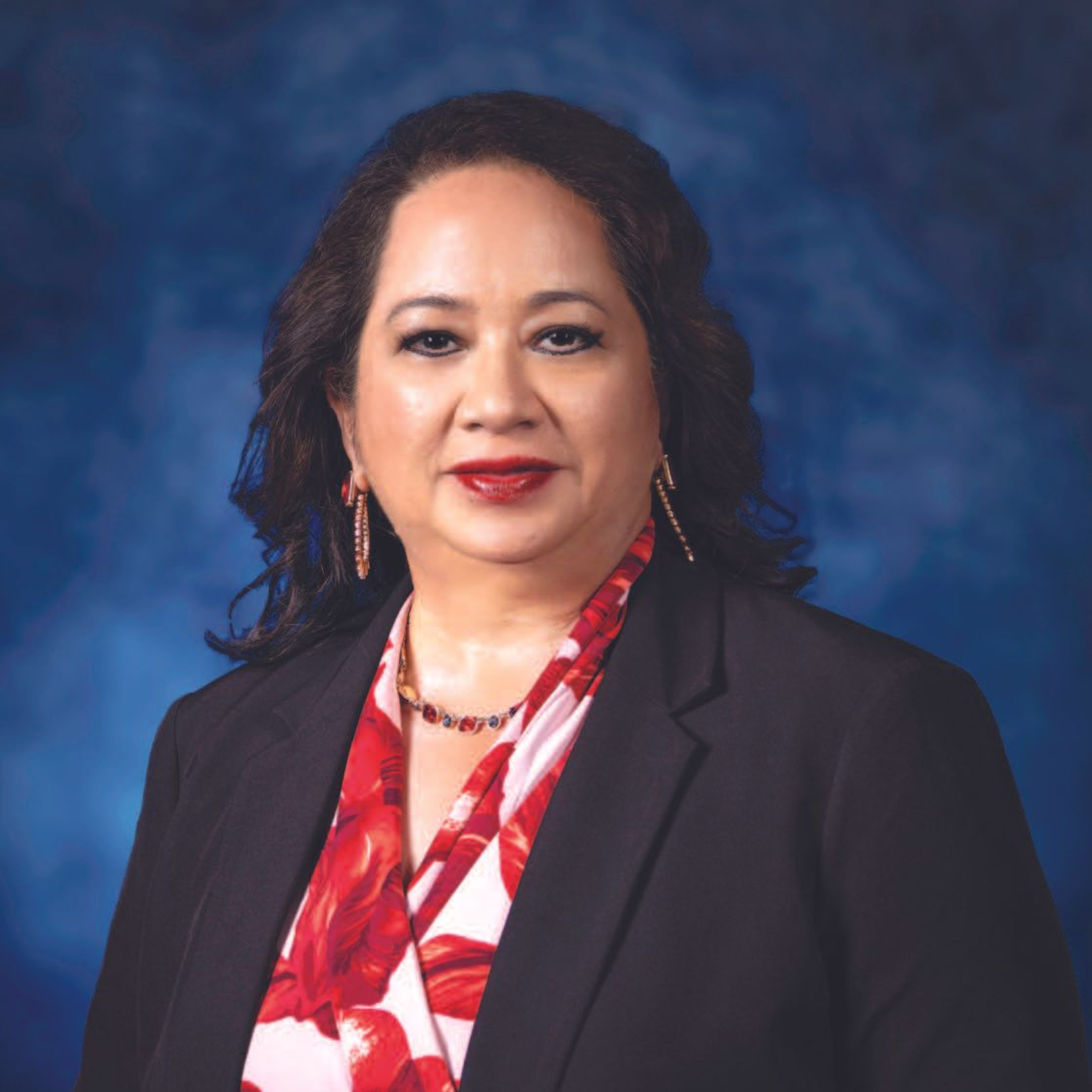
Interview With Christina ‘Tina’ Garcia, Ceo/Administrator, Guam Economic Development Authority
Guam’s economic outlook for 2025 and 2026 highlights increased economic activity due to ongoing construction, including the progression of the Camp Blaz Marine Corps base, missile defense construction, and other private and government projects. How is GEDA leveraging these significant infrastructure developments to create new investment opportunities, particularly in supporting industries or related services?
Guam is in a unique position with the military. The Marine Corps is building Camp Blaz, the first new Marine base in more than 40 years, which will essentially double the military population here. We are supporting this growth with hotel and business investments, but also through new opportunities such as additive manufacturing and 3D printing.
This technology allows us to produce key components locally rather than waiting for parts to be shipped from off-island.
With the Navy’s support, we are working with Astro America to establish this capability in Guam. It will not only improve repair times for submarines and other equipment, but also create a new industry requiring specialized engineering skills. To meet that need, the University of Guam is developing a new program in partnership with the Colorado School of Mines.
Alongside this, we are looking to expand Guam’s maritime industry. As our shipping and ship repair sectors grow, we want more training programs so locals can qualify as captains, operators, and engineers. Institutions such as the University of Guam, Guam Community College, and the Guam Contractors Association are already developing boot camps and internships to build these skills. The Port Authority of Guam, which handles 90 percent of our imports, must also be modernized to support this growth.
Education and infrastructure are equally important in healthcare. We are building a new state-of-the-art medical complex to serve both the community and the military, with facilities such as helipads for emergency response. The military has chosen to partner with us rather than expand its own naval hospital, and is also investing in infrastructure—water, power, and road systems—to support the wider population growth.
Beyond tourism and military construction, we are pursuing agriculture and aquaculture to make Guam more self-sustaining and to supply high-quality products to Asia. Investors are interested in shrimp and fish farming, as well as hydroponics and specialized crops like honey, lettuce, and melons. Guam’s clean air and water make our produce highly attractive to mid- to high-end markets in Asia.
We also see potential in advanced manufacturing. With ongoing trade tensions between the US and Asia, companies are looking at Guam as a US territory where they can establish facilities, transform raw materials, and ship duty-free to the US mainland. This positions Guam as both a gateway to Asia for American companies and a gateway to the US for Asian investors.
In short, while tourism and defense remain central, we are actively developing new industries in high-tech manufacturing, maritime services, agriculture, and education. These opportunities will diversify Guam’s economy and create long-term growth.
GEDA has promoted economic diversification in sectors such as tourism, agriculture, high-tech manufacturing, data centers, pharmaceuticals, healthcare, circular economy, and captive insurance. Which sectors currently present the most compelling investment opportunities for international investors in Guam, and how is GEDA tailoring incentives and investor services to support those?
Tourism remains the primary driver of our economy, and we continue to work closely with new hotel and retail investors. The Pacific Star Hotel, for example, was recently purchased and will undergo a $100 million upgrade to serve both the military and tourism sectors. Other hotels, such as the Westin, are also in transition, signaling strong investor confidence.
Our golf courses, too, remain a major attraction—Mangilao Golf Course, with its signature hole over water, is especially popular, not only for the course itself but also for its restaurants.
Beyond tourism, we are actively developing other growth areas. Healthcare is one. We are building new specialty clinics, pursuing partnerships with hospitals in Taiwan, the Philippines, and Korea, and expanding pharmaceutical opportunities. The University of Guam is also establishing a new CDC laboratory, which will allow us to conduct testing locally rather than sending samples off-island.
Housing is another priority. With rising demand, especially after Typhoon Mawar, we see potential in affordable and resilient home construction. Precast walls and concrete slabs are now being introduced to accelerate development, while maintaining the high building standards that helped Guam withstand the typhoon with minimal damage.
Sustainability is central to our growth strategy. The Guam Power Authority is transitioning to renewables—solar, biofuel, and geothermal—while we continue to promote investment in green technologies.
To attract and retain investment, we rely on our main incentive tool, the GEDA Qualifying Certificate (QC) program. This allows businesses to receive a rebate of up to 75 percent of income tax paid to the government of Guam for up to 20 years. It is unique to US territories and has already proven highly effective in attracting hotel and manufacturing investors.
We are also advancing plans for a Science and Technology Park. Guam is rapidly becoming a communications hub, with undersea cables equal in scale to those passing through Taiwan. GTA Teleguam, a local telecom provider, is building a new data center capable of handling multiple major cables, while Google has announced two additional connections linking Guam to Southeast Asia. This infrastructure strengthens our position as a digital gateway between the US and Asia, attracting investment in sectors such as cloud services and call centers.
Our airport is another strategic asset. Airlines from Asia use Guam for training in US FAA procedures, and recent changes in law now allow long-term hangar leases of up to 50 years. This opens opportunities for carriers such as Japan Airlines to establish permanent facilities here.
Finally, we are expanding our export capacity. Through the STEP program, we have deepened ties with Japan and Korea, supporting local businesses to meet international import requirements and position Guam-made products—whether in agriculture, aquaculture, or consumer goods—for regional markets. Tourists already recognize and buy these products on-island; seeing them abroad creates both excitement and demand.
At its core, Guam is America’s gateway to Asia. It is an excellent place to start a business and access two of the world’s largest markets.
As a final message to participants at the World Business Forum in New York: you have highlighted the many projects underway in Guam and the wide range of opportunities available for both local and international investors from the US, Canada, and beyond. What would you like to say to these potential investors attending the Forum?
Guam is open for business. We are at a turning point in our economy, with growing opportunities both in the United States and in Asia. For countries outside the Asia-Pacific region, it is important to understand that Asia is the biggest market in the world. Within a 3,000-mile radius of Guam, there are 4 billion people. That is an enormous opportunity.
While the United States is encouraging manufacturing to return to the mainland, Asia remains the largest market. We believe Guam has the right incentives to attract companies to establish themselves here. On workforce development, we may not have the capacity immediately, but our universities are quick to respond by creating programs to train workers in manufacturing, pharmaceuticals, and other industries. The University of Guam, for instance, is establishing an engineering school to strengthen this effort.
Workforce readiness is a key factor in business location decisions, and we are investing in making sure that companies have the support they need. Guam also has a strategic advantage in geography. If your market is Asia, Guam is the natural location to manage operations. For US and Atlantic markets, we position Guam as the gateway to Asia. For Asia, we present Guam as the gateway to the US.
This dual advantage underpins our efforts to diversify the economy in areas such as manufacturing, technology, and communications. We have the ability to create new incentives tailored to the needs of investors. A recent example is our special Hotel Qualifying Certificate, designed specifically to encourage hotel development. Investors receive different benefits under this scheme compared to the standard QC, with incentives for both new projects and renovations.
For example, a 400- to 500-room condo-hotel project in Tumon is expected to break ground soon, and the Pacific Star Hotel renovation is also taking advantage of this program. These initiatives are detailed on our investguam.com website.
At its core, Guam is America’s gateway to Asia. It is an excellent place to start a business and access two of the world’s largest markets. We are ready to support investors, and Guam offers not only opportunity but also safety, family-friendly living, and a rich cultural experience.
Visitors experience this at events such as the Tumon night market, which showcases our diverse communities—Filipino, Japanese, Korean, Vietnamese, and many others. This cultural mix is reflected in our authentic food and traditions, making Guam a true melting pot.
Looking ahead, we are focused on industries where we know we can succeed. Tourism remains central, but we are also pursuing pharmaceutical manufacturing, captive insurance, and advanced manufacturing. Above all, Guam will continue to support US military operations, which are already driving significant growth.
The military build-up is creating demand for new malls, strip centers, and countless services—from dry cleaning to construction—because when the population grows by 20,000 people, the need for goods and services grows with it.
In short, Guam offers a stable, strategic, and welcoming environment. We cannot be everything to everyone, but in the areas where we excel, we provide investors with real opportunities to grow with us.
Read the full GUAM report here